
by Laurie James
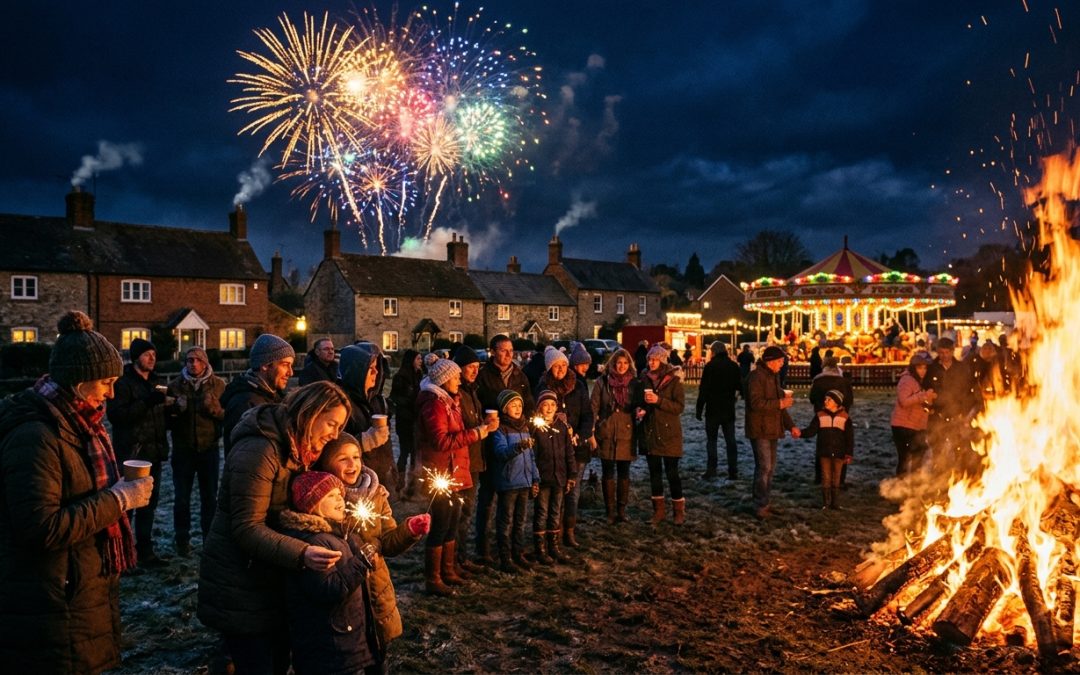
In my country, England, the night of the 5th of November is celebrated every year. It is known by various names, Guy Fawkes Night, Bonfire Night and Fireworks Night being the most common. The first of these names refers to the dark origin of the festivity; a man named Guy Fawkes, with a group of collaborators, planned to destroy the Houses of Parliament in London with explosives, in protest against the brutal treatment of Catholics in 17th-century Britain. The plot was unsuccessful, and his subsequent execution is what is commemorated, celebrated, or simply ignored in the modern day, depending on whom you ask.
The second name, “Bonfire Night”, refers to large fires created in many villages, in which an effigy of Fawkes is sometimes burned. For most people in the 21st century, this is a minor (or even completely absent) part of the festivities, although some villages choose to burn alternative figures, such as celebrities or politicians of the day. The Sussex town of Lewes is particularly famous for its bonfire night celebrations, with expensive fireworks displays (explosive, ironically) and impressive bonfires that commemorate both the Catholic and Protestant martyrs that fill England’s turbulent history books.
In many urban places such as my hometown, the bonfire and its story are more-or-less completely forgotten; we generally call it “Fireworks Night”, as this is the only element observed. As a country with very little nightlife, even in large towns, it is an exciting opportunity for children and adults to go out into the winter dark and enjoy municipal fireworks displays, rides and sweet treats. Dog owners, however, tend to enjoy this night a little less!
Key vocabulary
- bonfire: a large fire lit outdoors, often for a celebration
- plot: a secret plan to do something harmful or illegal
- collaborator: a person who works with others on a plan
- subsequent: happening after something else
- to commemorate: to remember an important event or person officially
- effigy: a model of a person, often burned or damaged in protest
- martyr: a person who is killed because of their beliefs
- turbulent: full of conflict and sudden changes
Check your understanding
- What did Guy Fawkes and his collaborators plan to do, and why?
- Apart from Fawkes, what kind of figures do some villages burn today?
- Why is the town of Lewes famous?
- Why do people in cities usually call it “Fireworks Night”?
Answers: 1. Destroy the Houses of Parliament with explosives, as a protest against the brutal treatment of Catholics. 2. Celebrities or politicians of the day. 3. For its expensive fireworks displays and impressive bonfires. 4. Because fireworks are the only part of the tradition they still celebrate.
Comentarios recientes